Blog
Gaia updates and insights
Track release highlights, detailed engineering breakdowns, and opinion posts from the team.

Gaia 3.1 adds stronger control over AI cost, runtime governance, document retrieval, project delivery, end-user channels, and enterprise operations.

Gaia 3.0 expands visual work with UI layout intent routing, canvas artifacts, text decoration support, portal previews, mobile canvas tabs, and more configurable embedded chat experiences.
Gaia 3.0 turns conversations into more collaborative operating spaces with participants, mentions, agent reactions, discussion reviews, task run approvals, and stronger live handoff flows.
Gaia 3.0 expands integrations with MCP tool calls, bridge agent webhooks, channel bindings, service accounts, advanced handoff rules, Genesys Live Chat Bridge, and coding-agent automation support.
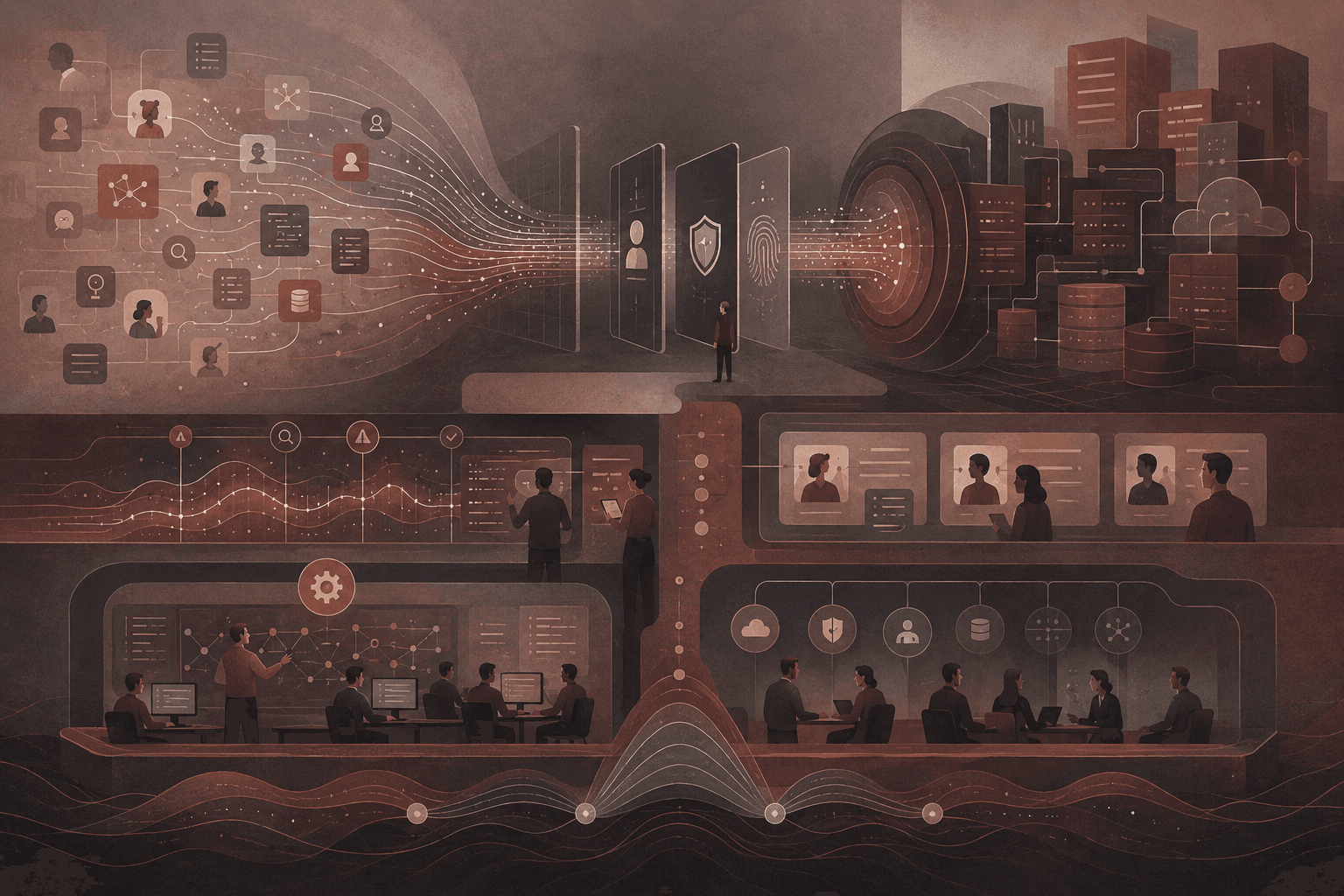
Enterprise AI will create far more implementation work than most forecasts assume because agents have to be connected to production systems, governed workflows, access controls, cost policies, and recurring model upgrades.
Gaia 3.0 strengthens document knowledge with folder attachments, structure search, index inspection, PDF analysis, advanced folder settings, and inline citations for grounded answers.
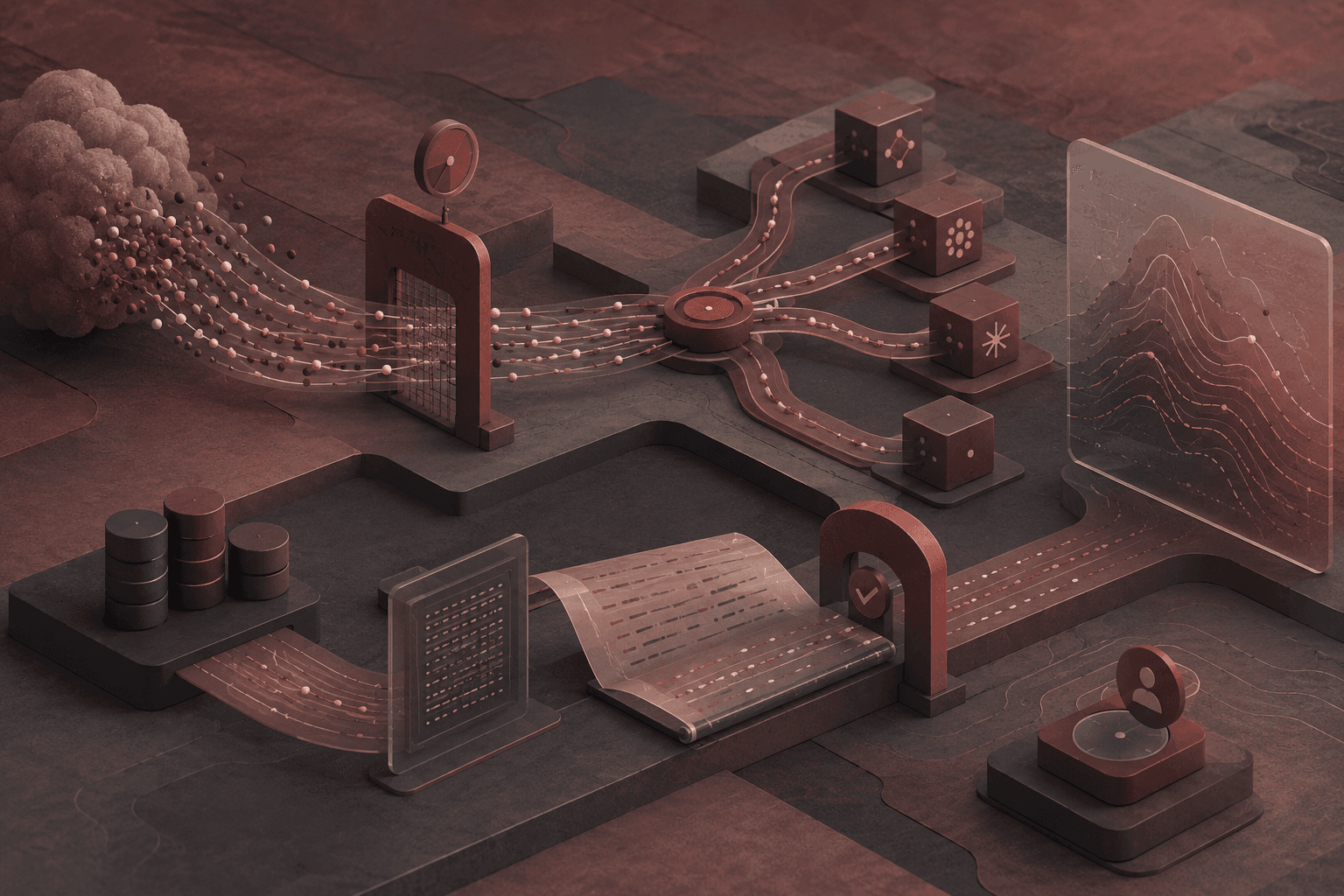
Enterprise AI spend is becoming an operating discipline. Token budgets matter, but the real control problem is workload routing, attribution, approvals, exceptions, and model flexibility.
Gaia 3.0 adds organizations, platform users, platform roles, organization roles, service accounts, guest access, and stronger permission enforcement for multi-team operations.
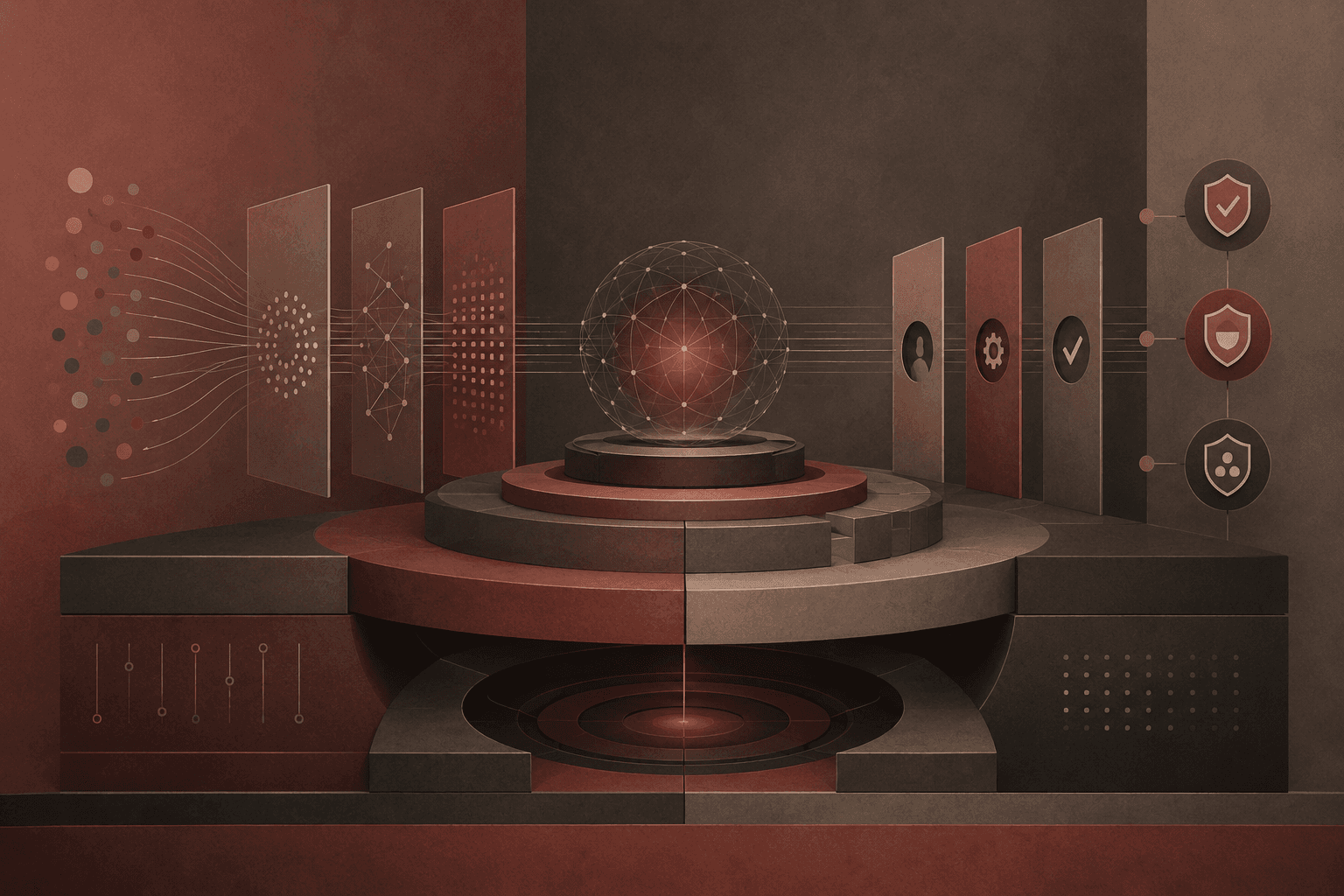
Enterprises will not scale AI because they believe in it. They will scale it when trust becomes measurable, operational, and tied to deployment decisions.
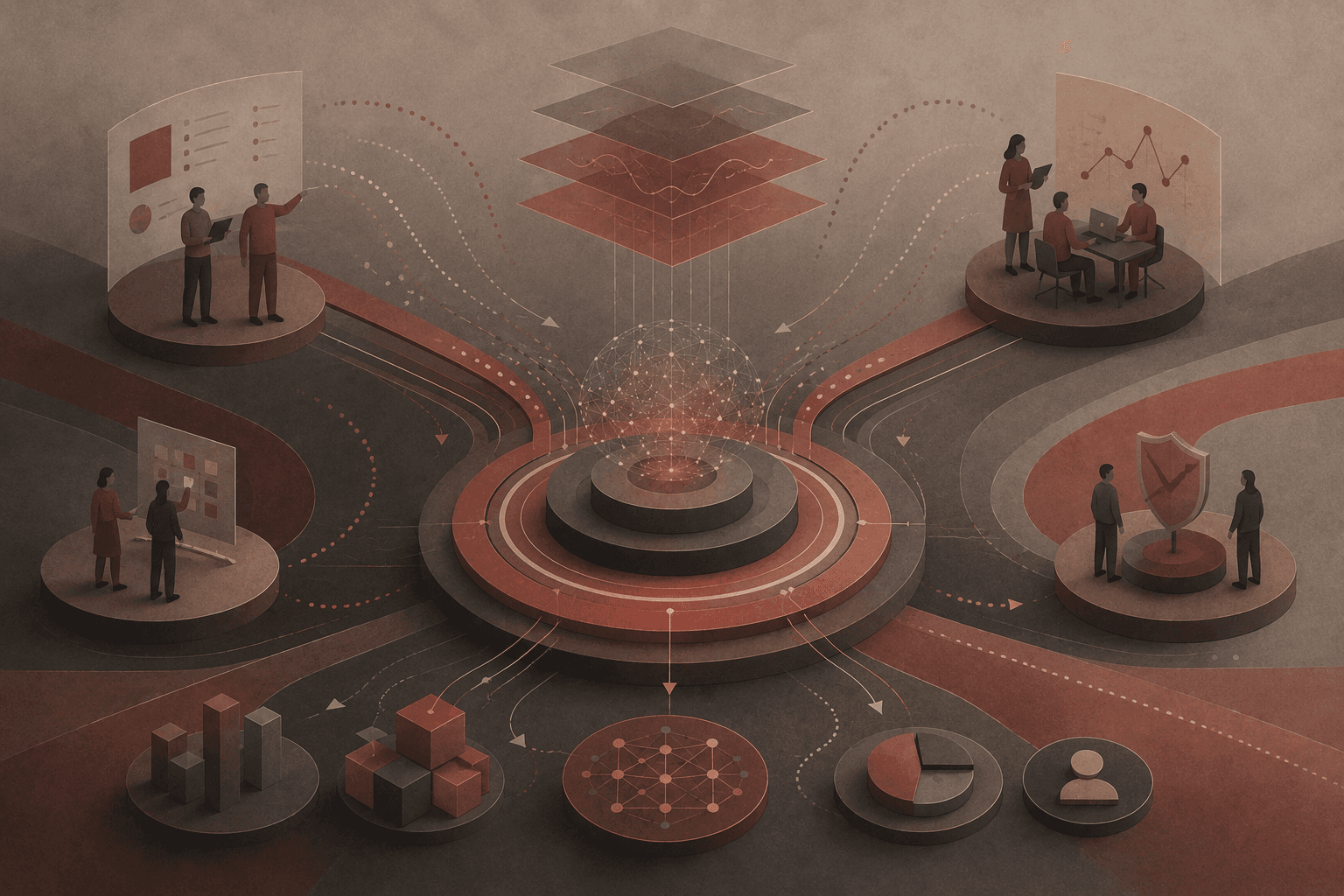
Forward-deployed engineering is becoming central to enterprise AI because agents change with models, workflows, and customer practice. The real advantage is the learning loop between deployment and product.
Gaia 3.0 expands governance with dashboards, evidence previews, operations review posture, governance agent management, and clearer controls for work that reaches outside Gaia.
Gaia 3.0 makes the Gaia assistant a more capable authoring partner for entities, layouts, project setup, configuration, and project improvement workflows.

Enterprise agents will not transform business processes as a side project. Companies need AI automation engineers who can turn models, data, tools, controls, and human workflows into production systems.
Gaia 3.0 turns governed agent work into a broader operating layer with stronger assistant authoring, organizations, collaboration, document intelligence, integrations, and live operations.
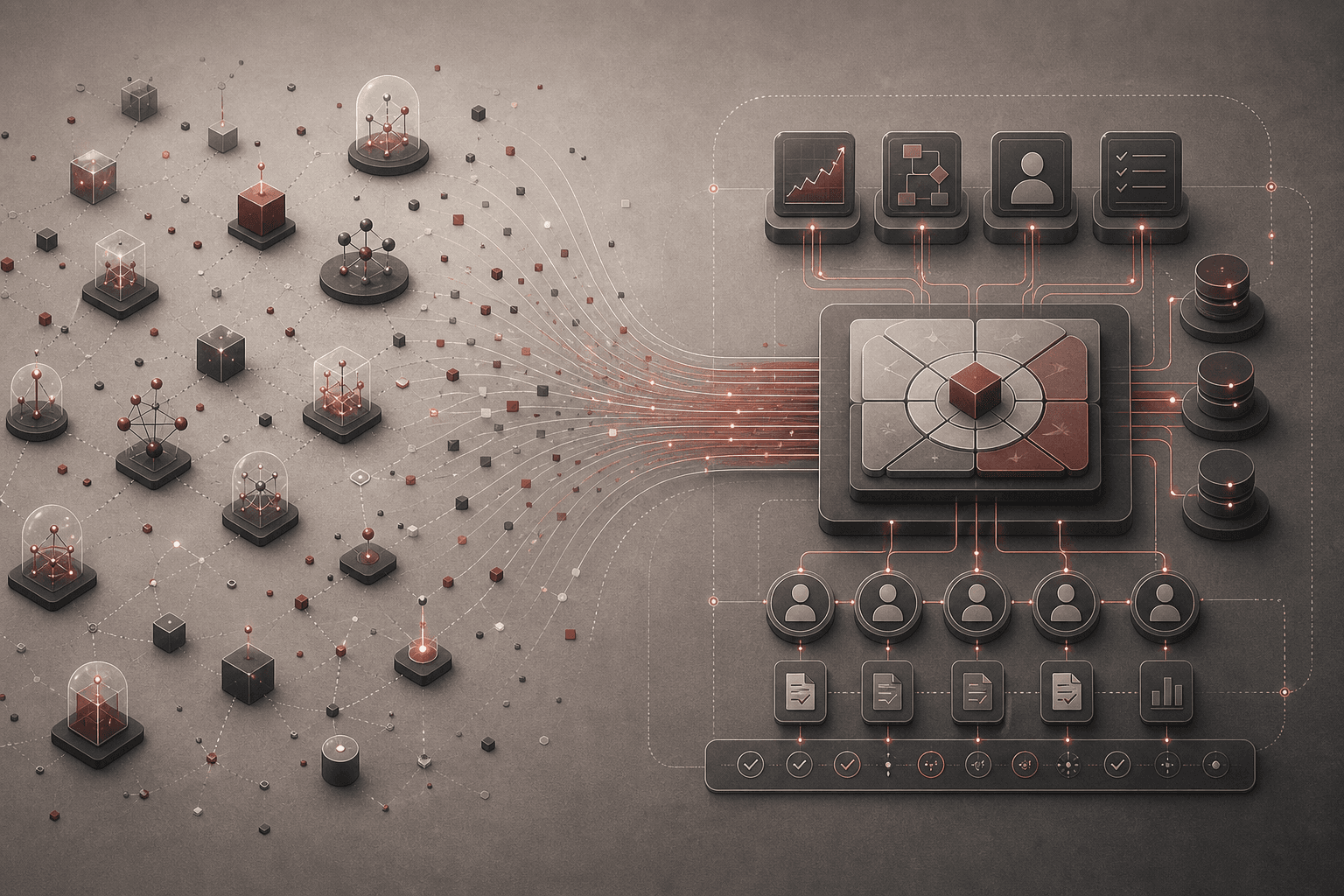
Companies do not become AI-transformed by running more pilots. They transform when AI changes workflows, ownership, metrics, governance, and the operating cadence of the business.

When software becomes easier to generate, product teams risk losing conviction about what should endure. The scarce skill is deciding what should not change.
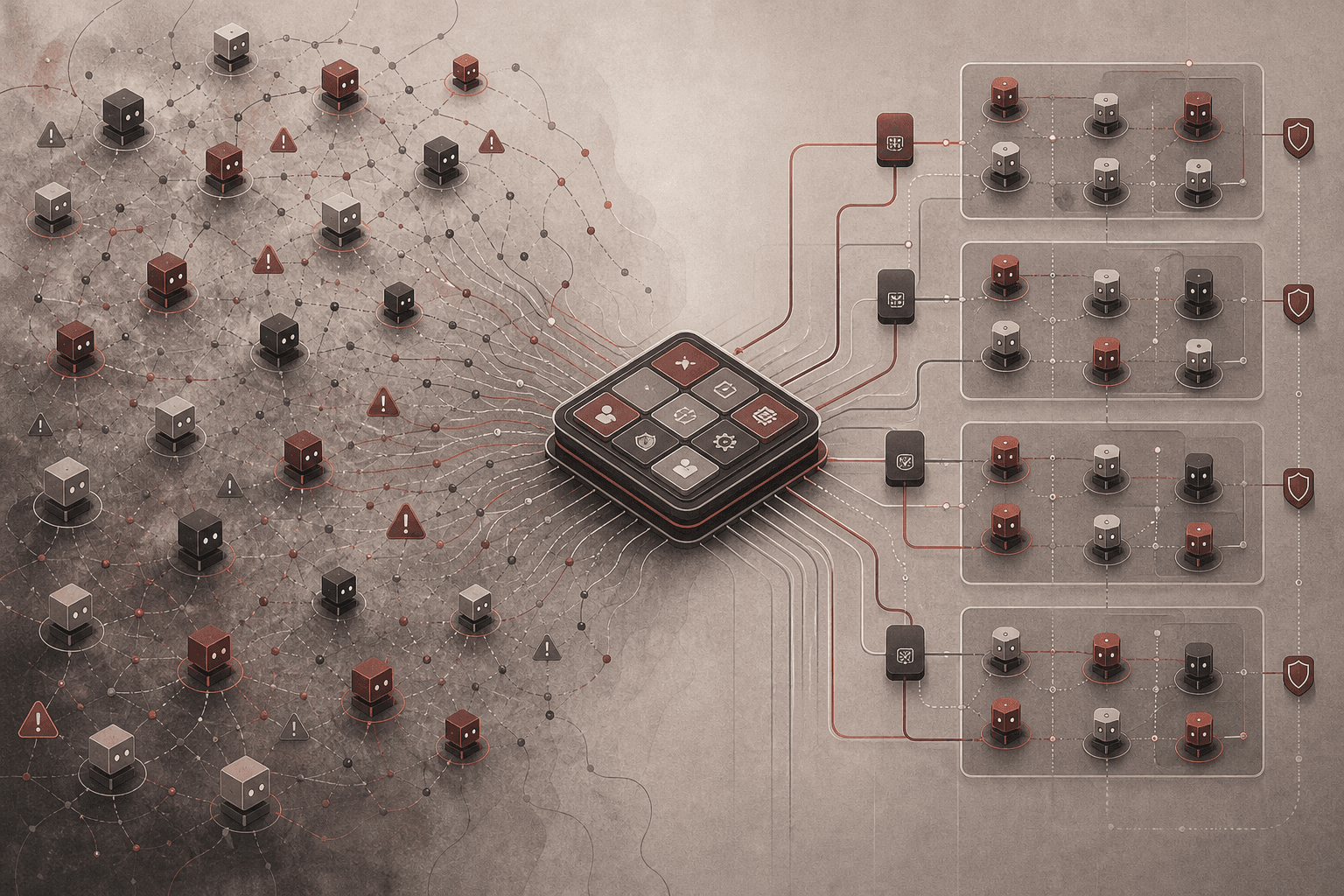
As agents spread through enterprise applications, companies that do not build inventories, identities, permissions, and lifecycle controls will rediscover shadow IT at machine speed.
Gaia 2.12 improves document indexing, retrieval structure, spreadsheet mutation, and file handling so governed work has better evidence continuity.
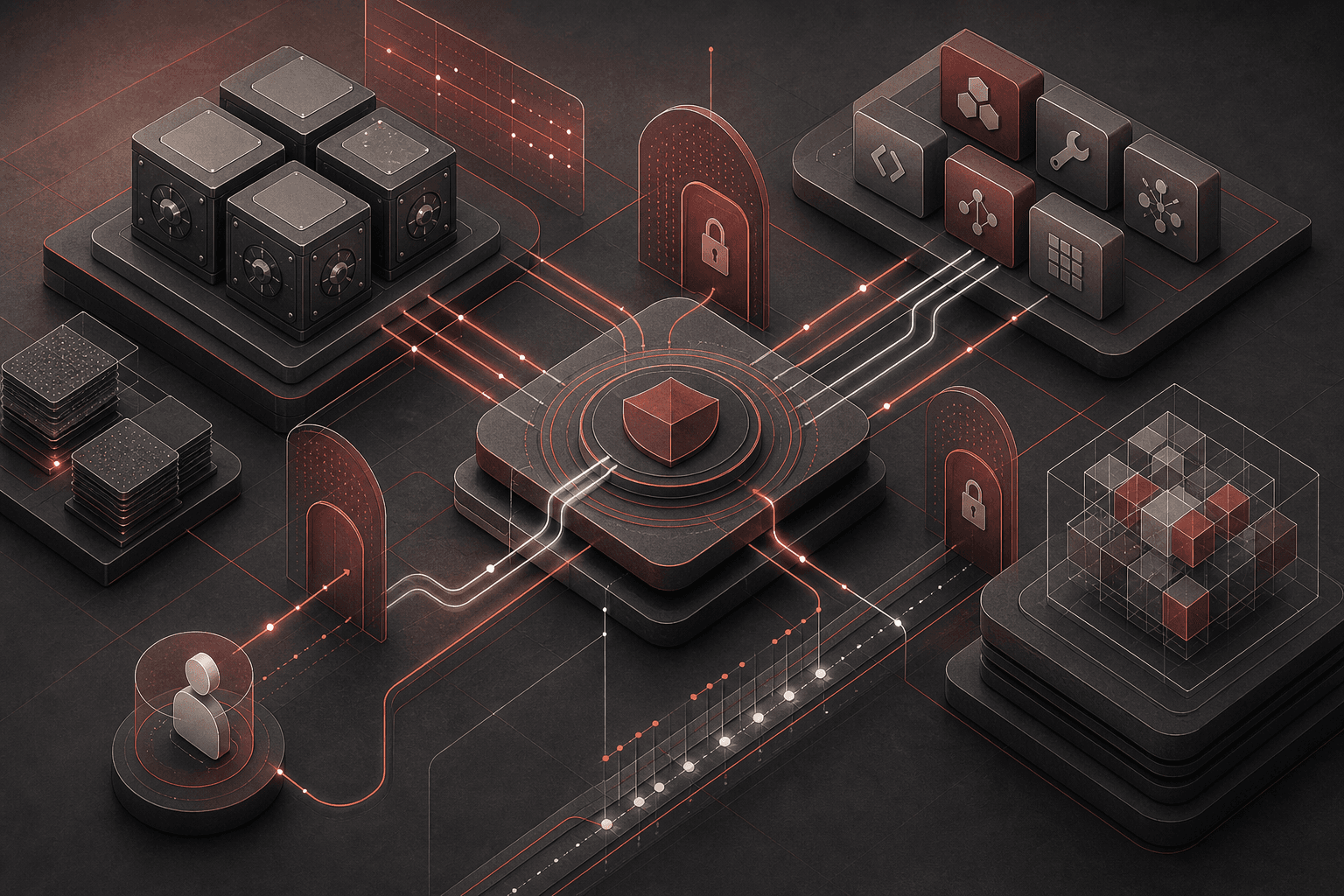
Personal and enterprise agents become dangerous when memory, tools, and channels expand faster than control. The core design question is where authority lives.
Gaia 2.12 turns governance into an operating surface with queue-driven operations, reusable framework packages, and a clearer lifecycle for risks, controls, obligations, and policies.

AI is weakening some old signals of seniority while increasing the premium on judgment, taste, prioritization, orchestration, and the ability to learn in public without fake certainty.

Agents can increase output dramatically, but they cannot rescue broken data, unclear workflows, weak ownership, or review bottlenecks. The system has to be engineered first.
Gaia 2.12 brings validator registries and governed tool execution closer to runtime so quality rules and execution policy are easier to standardize.
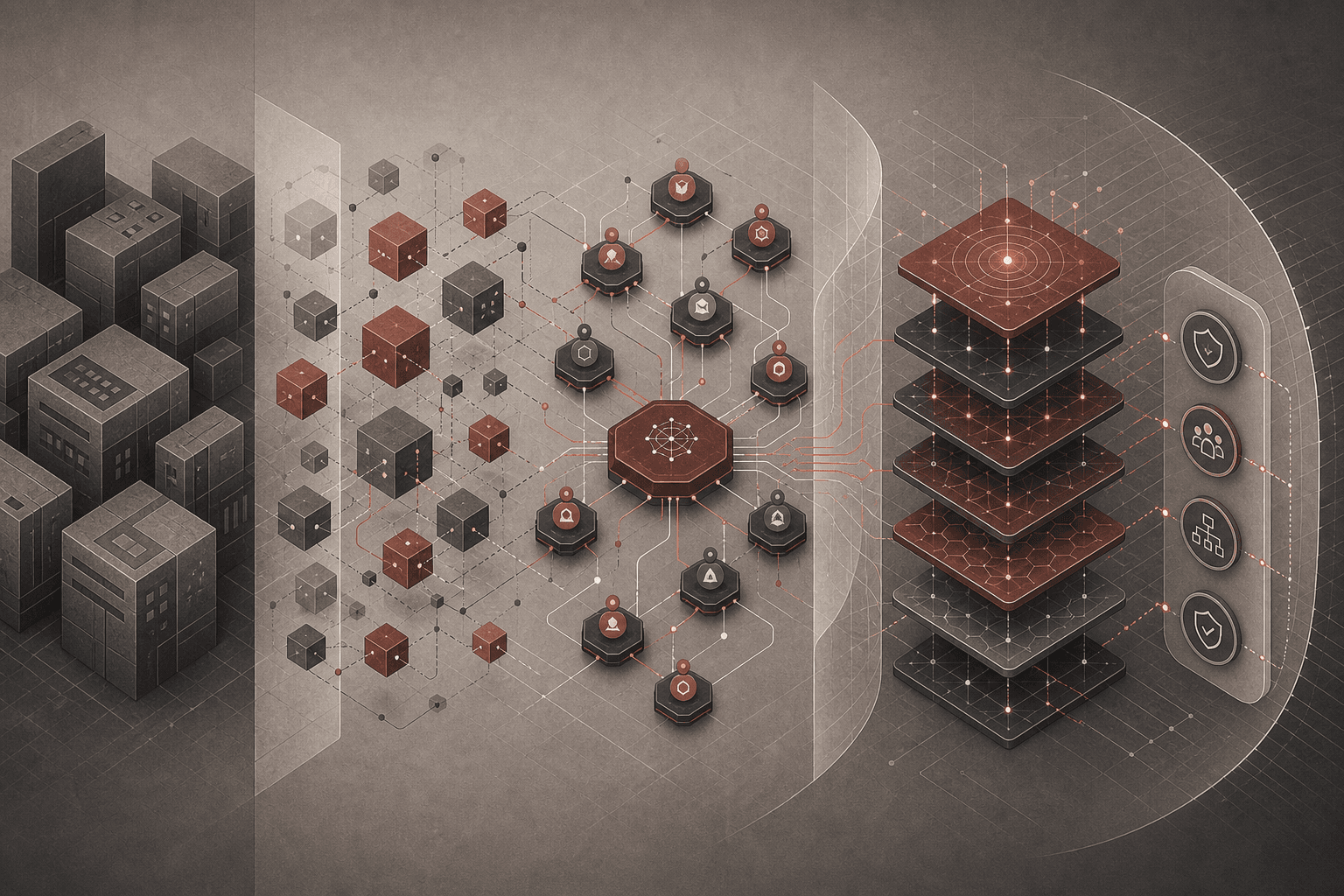
Agentic AI turns enterprise architecture from a planning discipline into an operating discipline: the architecture must govern how agents work, learn, and change.
Gaia 2.12 turns workflows into a clearer control plane with graph-native routing, tool nodes, workflow actions, and human pauses that fit real operations.

If agents become the primary users of enterprise systems, the durable advantage shifts away from human-facing interfaces and toward data, control, and infrastructure that agents can safely operate.
Workflow graphs, human checkpoints, validator registries, governed tool execution, document indexing, and a much more complete governance operating layer.
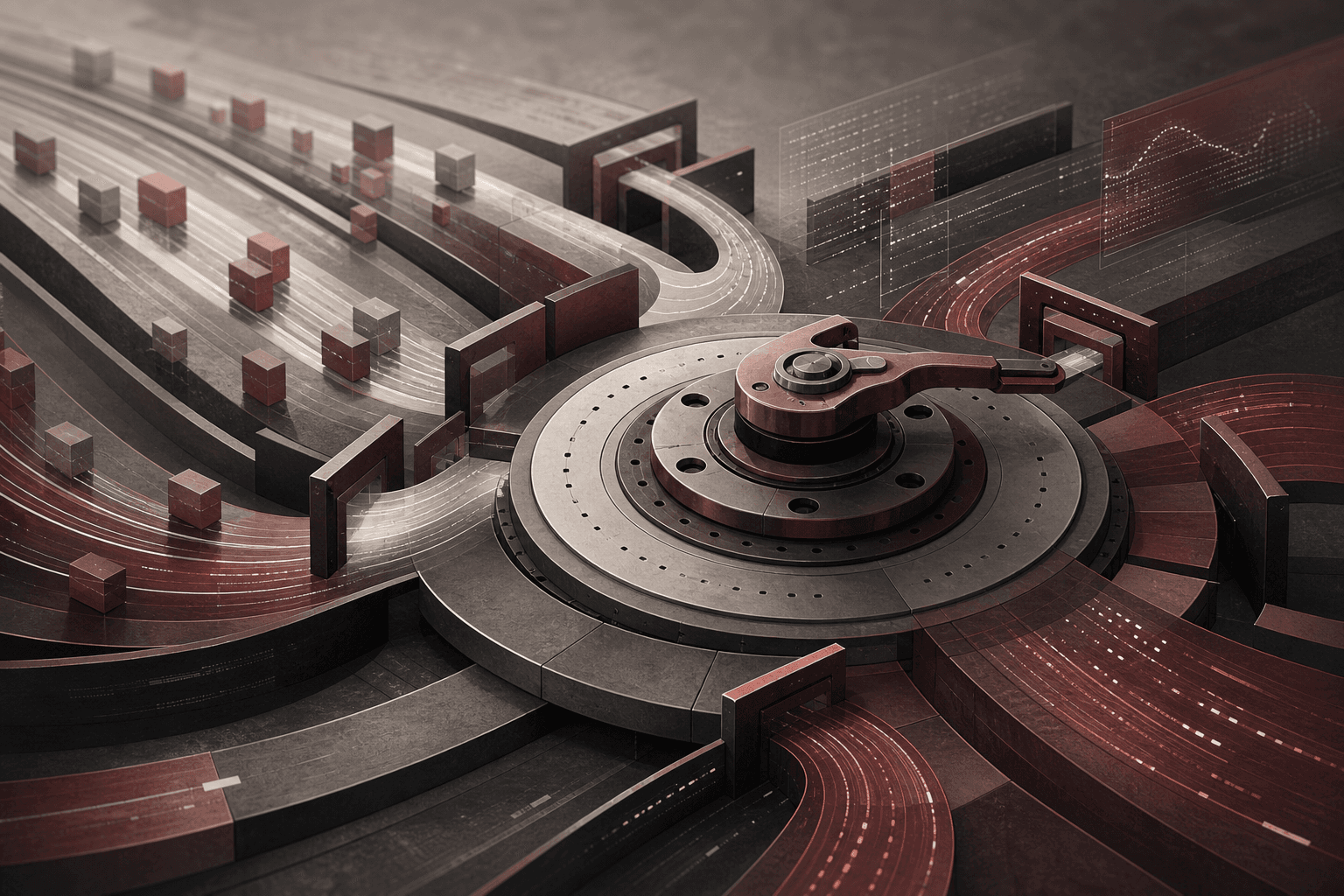
AI governance is failing when it slows every decision or gets bypassed by executive pressure. The answer is not less governance, but higher-throughput control.
Gaia 2.11 turns conversations into richer workspaces with artifacts, PDF attachments, document folders, and spreadsheets that teams can actually use.
Gaia 2.11 adds shared discussion spaces, notifications, and stronger task and delivery views so collaboration becomes a system instead of scattered updates.
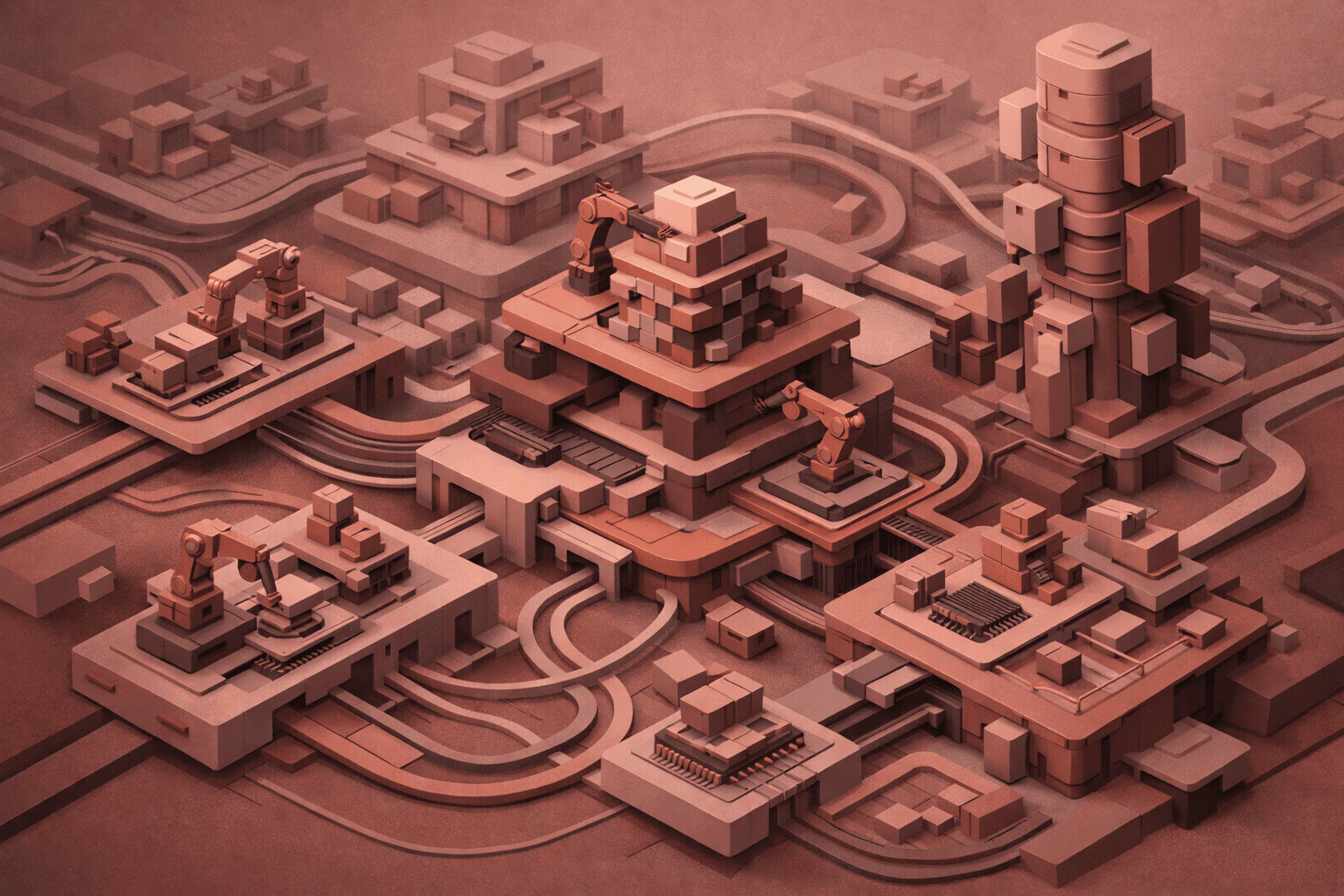
If agentic systems make execution abundant and machine-native outputs normal, the real enterprise constraint shifts to judgment: what to optimize, what to trust, and how to govern systems humans can no longer fully inspect line by line.
Gaia 2.11 turns enablement into product infrastructure with live tutorials, a stronger user guide, reusable prompt templates, and a full handbook.

As AI systems begin shaping the informational field from which human inquiry emerges, the personal discipline of remaining a subject must be matched by a new organizational layer. Agentic AI requires governance infrastructure — an epistemic control tower.
Gaia 2.11 strengthens connection points with MCP channels, runtime options, channel governance, and more reliable integration plumbing.

Generative and agentic AI systems are beginning to shape the field from which human inquiry begins. The next challenge is not only building intelligent systems, but governing the epistemic infrastructure they create.

Many companies are still treating enterprise AI as a legal exception instead of a leadership decision, and that delay is creating more risk, not less.
MCP channels, guided tutorials, discussions and notifications, artifacts, document folders, spreadsheets, and a much stronger documentation layer.

The AI transition will fail if we stop training early-career engineers. Teams should use AI to accelerate junior judgment, not bypass it.
Gaia 2.10 upgrades task and reporting workflows with project-level numbering, subtasks, and stronger timesheet support for daily operations.
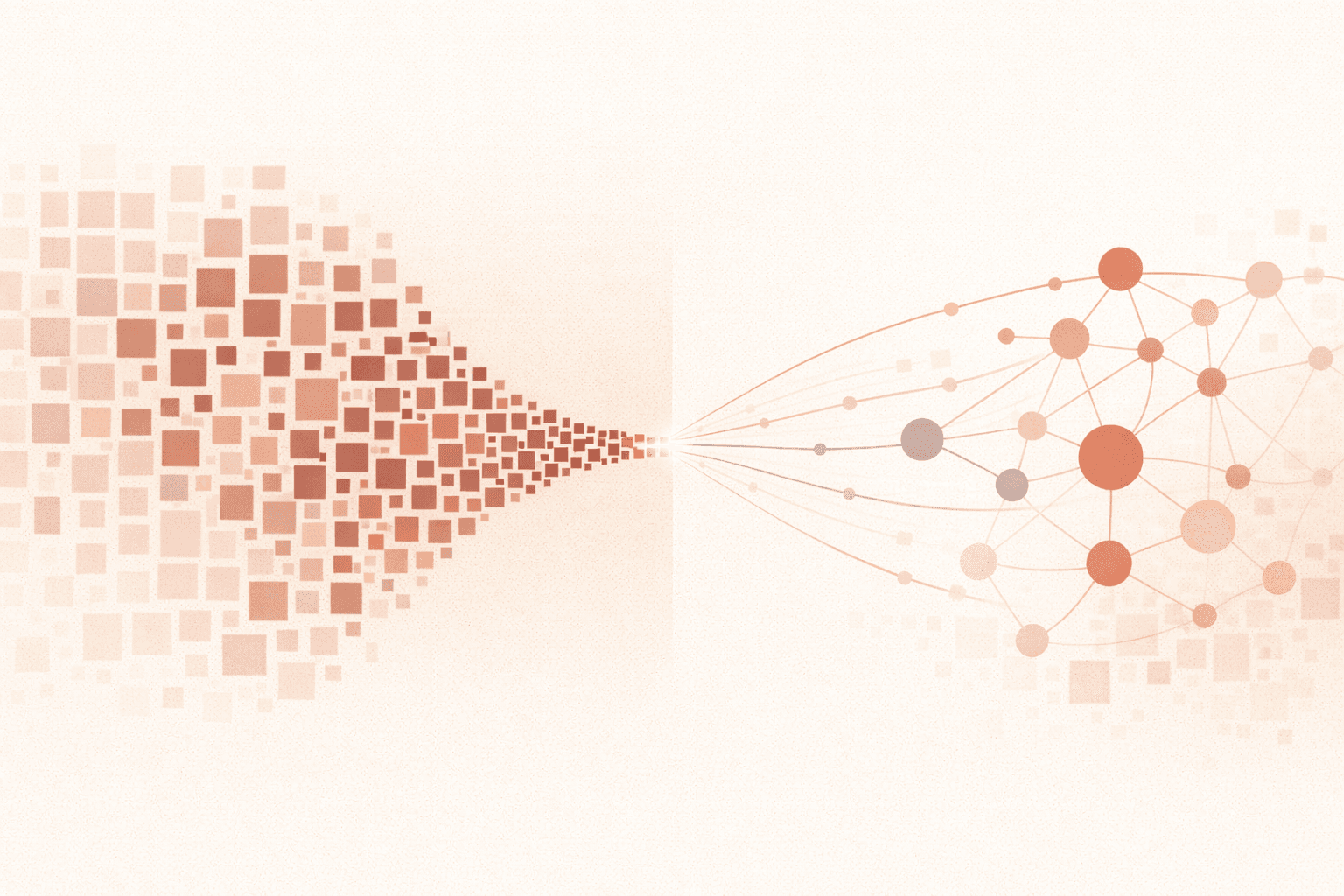
In the agentic era, traditional leadership models will be tested as AI-driven autonomy challenges centralized control.
Gaia 2.10 improves entity relationship handling and query workflows so teams can model complex domains with less friction.
Gaia 2.10 extends Evals v2 with stronger schemas, richer task generation, and clearer metrics workflows for production quality control.
Gaia 2.10 turns delivery from a checklist into a role-aware system with evidence, status gates, and reusable execution paths.
Evals v2, delivery process tooling, task and timesheet upgrades, and richer entity modeling workflows.
Gaia 2.9 strengthens evaluation governance while expanding entity and graph exploration for richer analysis.
Attachments, execution limits, and improved routing make Gaia 2.9 conversations safer and more reliable in production.
Gaia 2.9 turns delivery into a structured lifecycle with metadata-driven activities, evidence tracking, and clearer roles.
A deep dive into Gaia 2.9’s audit trail expansion and compliance-grade visibility across projects, evaluations, and delivery.
Audit trail, delivery process tooling, conversation improvements, and deeper analytics across data and evaluations.
A deep dive into Gaia 2.8’s tool naming standardisation, browser access, and geolocation utilities.
A deep dive into Gaia 2.8’s platform assistant overhaul and the tools for managing UI layouts.
A deep dive into Gaia 2.8’s audio transcription and text-to-speech support for practical voice workflows.
A deep dive into Gaia 2.8’s shift toward repeatable conversation runs and more controlled evaluation workflows.
Evaluation workflows, platform assistant upgrades, new ingestion sources, and expanded tooling and analytics.
A deep dive into Gaia 2.7’s conversation UX upgrades: better titles, grids, token timing, and sentiment tracking.
A deep dive into Gaia 2.7’s support for modern response and realtime APIs, plus better message hygiene.
A deep dive into Gaia 2.7’s platform foundations: multi-model configuration, multi-cloud storage, RBAC, and stronger caching and logging.
A deep dive into Gaia 2.7’s UI layout management and richer entity visualization tools.
Foundational platform upgrades, UI layout management, multi-model configuration, and improved conversation experiences.
A deep dive into Gaia 2.6’s richer entity models, stronger indexing, and more flexible theming.
A deep dive into Gaia 2.6’s Markdown editor, translation support, and richer authoring workflows.
A deep dive into Gaia 2.6’s streaming pipelines, workflow controls, and more reliable data ingestion.
A deep dive into Gaia 2.6 and the shift to project-scoped architecture, clearer navigation, and stronger boundaries.
Project-based schemas, workflow streaming, markdown editing, and deeper entity and theme capabilities.
A deep dive into Gaia 2.5’s performance, logging, and stability work that makes the platform dependable.
A deep dive into Gaia 2.5’s evaluation APIs, exports, and the shift toward measurable quality.
A deep dive into Gaia 2.5 workflow maturity, from clearer run states to more reliable execution.
A deep dive into Gaia 2.5’s team/project model and the shift toward true project isolation.
Teams and projects, workflow engine maturity, evaluation exports, and reliability improvements.
A deep dive into Gaia 2.4’s many-to-many entity relationships, improved import tooling, and stronger connectors.
A deep dive into Gaia 2.4’s template library and onboarding improvements that help teams move from idea to execution faster.
A look at how Gaia 2.4 introduces RBAC foundations and expanded SSO options to support real governance.
A deep dive into how Gaia 2.4 refactors the backend into modular services and improves tooling for reliable growth.
Major backend refactor, RBAC foundations, template library, and expanded entity relationships.
A deep dive into how Gaia 2.3 strengthens performance and efficiency, preparing the platform to handle higher volumes and more demanding workloads.
A deep dive into how Gaia 2.3 strengthens workflow execution, reliability, and operational maturity for real-world automation.
A deep dive into how Gaia 2.3 introduces audit logging and analytics, giving teams visibility into AI behaviour, usage, and system activity.
A deep dive into Gaia 2.3 and the introduction of conversation scripting,enabling structured, repeatable and controllable AI interactions.
Workflow engine foundations, conversation analytics, audit logging, and scripting support.
A look at how Gaia 2.2 introduces internationalisation support, enabling teams across regions and languages to use the platform effectively.
A deep dive into how Gaia 2.2 introduces integrated search and export capabilities, helping teams find, reuse, and share information across projects.
A deep dive into Gaia 2.2 and the introduction of the workflow builder, marking a shift from conversational AI to repeatable, automated processes.
Workflow builder, integrated search, i18n foundations, and queue-backed operations.
A deep dive into how Gaia 2.1 strengthens operational readiness and security, helping teams move from experimentation to responsible, day-to-day use.
A closer look at how Gaia 2.1 introduces notifications and system feedback, helping teams stay aware of what’s happening across projects and workflows.
A deep dive into how Gaia 2.1 improves onboarding and first-time user experience, helping teams reach meaningful AI interactions faster and with less friction.
Data ingestion foundations, early conversation UI, agent configuration, and user onboarding updates.
A deep dive into Gaia 2.0, the first stable release of the platform, focusing on its core building blocks and the problems it set out to solve.
The first stable Gaia release with projects, agents, conversations, data ingestion, and evaluation foundations.
The internal Gaia release the team is using to build large-scale customer chatbots while agents and customer self-service remain future platform milestones.